The Conference
Continuing the first two successful instances of the “Building Coastal Resilience” conference on nature-based solutions for coastal protection held in Bruges-Belgium (2022) and Porto, Portugal (2024), we are happy to announce that the third Building Coastal Resilience will be hosted by Leichtweiß-Institute for Hydraulic Engineering at the Faculty of Engineering and Geodesy of the Technische Universität Braunschweig, Germany on 23rd and 24th of November 2026.
At this conference, we aim to bring together scientific insights from implementations of hybrid nature-based solutions with academic advancements in the field of coastal morphodynamics, particularly focusing on sandy beaches and dunes. A central objective is fostering knowledge exchange among researchers, practitioners, and policymakers working on ongoing projects, with special emphasis on supporting early-career PhD researchers. We actively encourage participation from government bodies such as the Wadden Sea National Park Service and Coastal Protection Agencies, recognizing their vital role in implementing and monitoring nature-based solutions in dynamic coastal environments. This interdisciplinary collaboration will strengthen the integration of science, policy, and practice for sustainable coastal resilience.
The involvement of young researchers is of overriding importance to us, and so opportunities will be created for them to meet, to run dedicated sessions and to interact with experienced peer researchers.
Conference themes
This conference brings together researchers, practitioners, and policymakers from academia, government agencies—such as the Wadden Sea National Park Service and Coastal Protection Agencies—and industry to advance understanding and collaboration in coastal resilience.
The following three core themes will guide discussions, integrating scientific innovation with real-world application.
Important Dates
15 July 2026
Registration opens
04 September 2026
Abstract submission deadline
30 September 2026
Announcement of selected abstracts for presentation
30 October 2026
Registration deadline
22 – 24 November 2026
Conference
Programme
A programme built around scientific exchange, dedicated early-career sessions, and a guided lab tour of the wave and current flumes.
Venue
Braunschweig
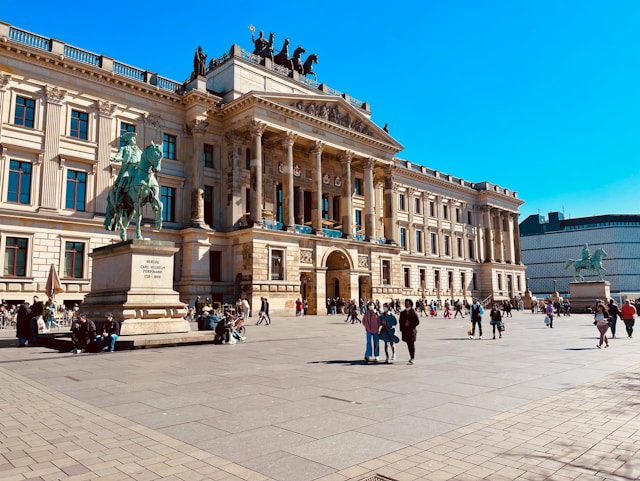
Located in the heart of Lower Saxony, Braunschweig is a vibrant cultural and academic hub with a rich historical legacy. As one of the oldest cities in northern Germany, it is renowned for its architectural heritage — from the iconic Brunswick Cathedral to the Brunswick Lion, the oldest life-sized bronze statue in Northern Europe.
Beyond its historical charm, Braunschweig is a leading centre for science and innovation, home to the Technische Universität Braunschweig — a member of the TU9 — offering a stimulating setting for interdisciplinary dialogue.
Conference Venue
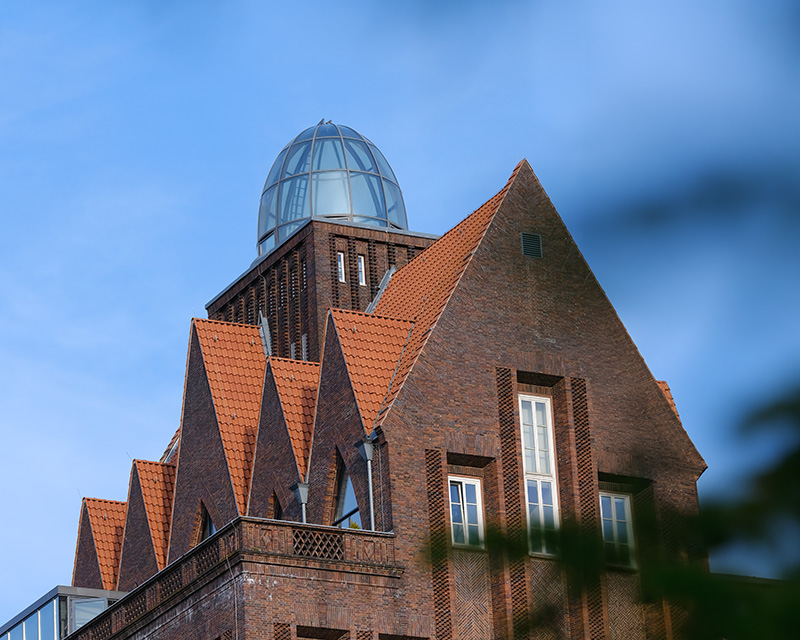
The House of Science seamlessly blends historical architecture with modern functionality. Located in the heart of the city, a short walk from the historic centre and the TU Braunschweig, it offers flexible spaces from large plenary halls to intimate breakout rooms — all equipped with advanced audiovisual technology.
Committed to science communication and public engagement, the venue embodies the spirit of open science and sustainable development — values that align perfectly with the goals of Building Coastal Resilience.
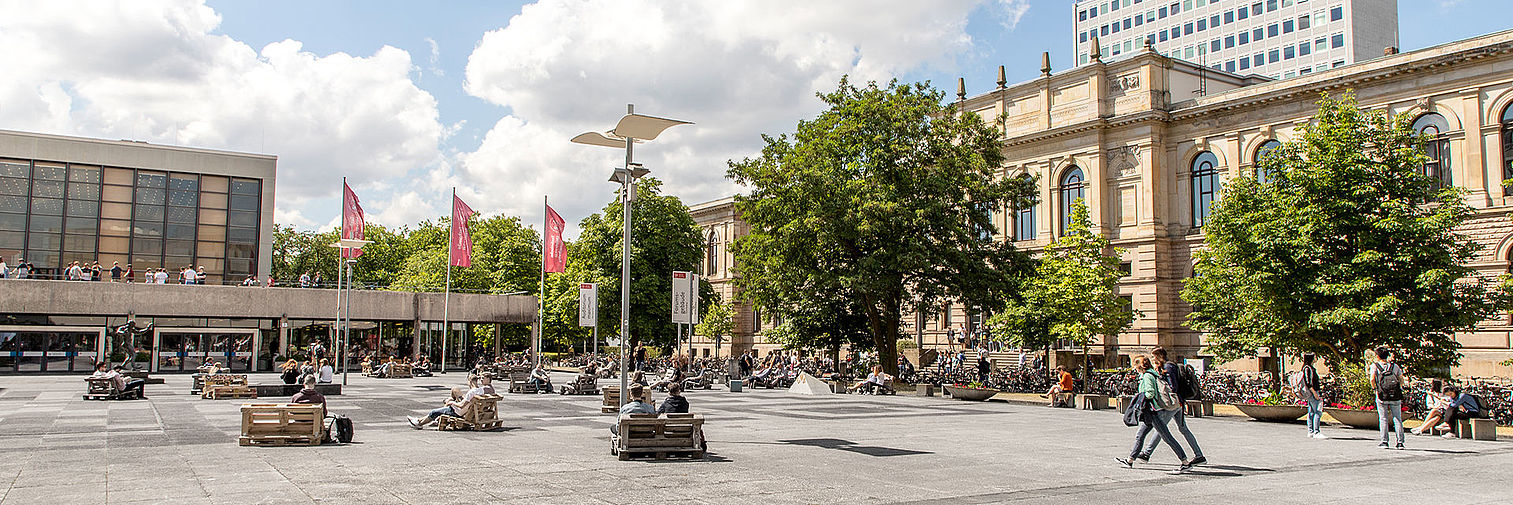
Bildnachweis: Markus Hörster/TU Braunschweig
Conference host
The Faculty of Architecture, Civil Engineering and Environmental Sciences at Technische Universität Braunschweig is a leading institution in sustainable design, infrastructure, and environmental systems. It combines expertise in architectural innovation, resilient civil engineering, and climate-adaptive environmental management. With a strong focus on interdisciplinary research and practical application, the faculty addresses key challenges in urban development, coastal resilience, and resource-efficient construction. Its work bridges science, technology, and societal needs, contributing to sustainable and future-proof solutions for built and natural environments.
Leichtweiß-Institute
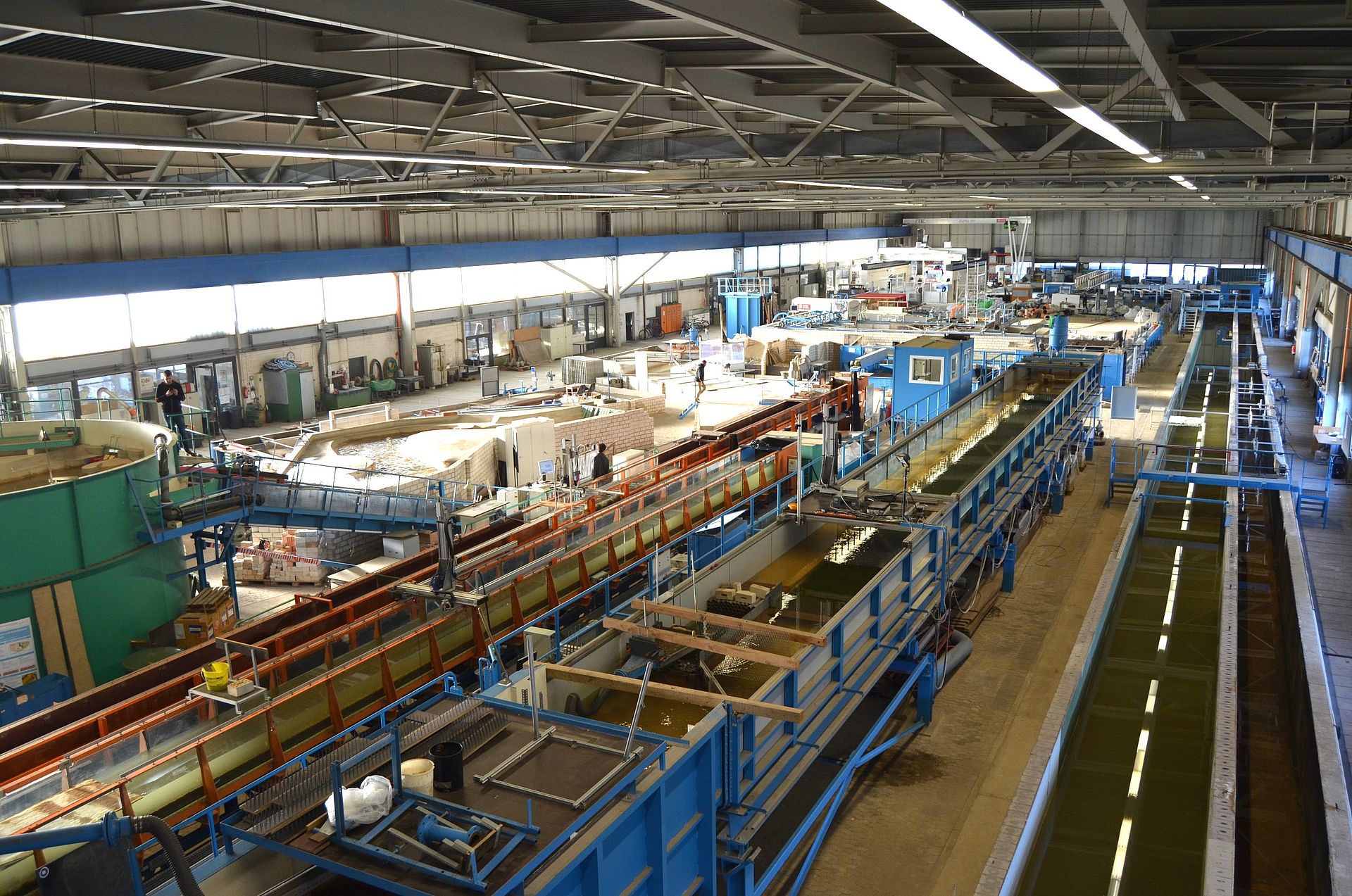
The Leichtweiß-Institute (LWI) at Technische Universität Braunschweig is a leading research institute in civil engineering, with a strong focus on fluid mechanics and environmental systems. Within the institute, the Division for Hydromechanics, Coastal and Ocean Engineering conducts cutting-edge research on wave dynamics, coastal morphodynamics, sediment transport, and the interaction between water, structures, and natural systems. The division develops advanced numerical and physical models to support the design and assessment of coastal protection measures, hybrid nature-based solutions, and sustainable marine infrastructure. With close collaboration between academia, industry, and government agencies, the division contributes to innovative, science-based strategies for enhancing coastal resilience in the face of climate change and rising sea levels.
Abstracts
Contributions from the scientific community are expected to stimulate cross-regional knowledge exchange, with a special focus on supporting early-career researchers and showcasing practical applications through a guided lab tour with experimental setups investigating nature-based and hybrid-approaches in wave and current flumes on medium scales.
Contacts
Technische Universität Braunschweig
Leichtweiß-Institute for Hydraulic Engineering and Water Resources
Division of Hydromechanics, Coastal and Ocean Engineering
Beethovenstraße 51a, 38106 Braunschweig, Germany
Local organizing committee
Prof. Dr.-Ing. habil. Nils Goseberg
Chair
Dr.-Ing. David Schürenkamp
Co-Chair
Dr.-Ing. Constantin Schweiger
Co-Chair
Dr.-Ing. Oliver Lojek
Co-Chair
